WHY THE WORK SPEAKS MORE CLEARLY WITHOUT FULL EXPOSURE
Not every creative practice benefits from complete visibility. In many cases, constant exposure begins to compete with the work itself, shaping interpretation before the viewer has had the chance to experience the image on its own terms. When too much attention is placed on the artist’s identity, personality, or online presence, the work can slowly become secondary to the performance surrounding it.
Remaining partially unseen creates a different relationship between artist, work, and audience. It allows the images to exist with more openness and less attachment to personal branding or public identity. The focus shifts back toward atmosphere, detail, emotional response, and interpretation rather than the construction of a highly visible persona around the work. Viewers are given more space to engage with what they feel, notice, or remember without being directed too heavily toward a fixed narrative about the person behind the images.
Anonymity within the practice is not rooted in secrecy or detachment, but in maintaining a degree of distance between personal visibility and creative output. The work itself already contains fragments of observation, emotion, tension, memory, and psychological presence. Intimacy can still exist within an image without requiring complete access to the individual who created it. In some ways, withholding certain details can make the work feel more honest, allowing emotion and atmosphere to emerge naturally rather than being explained in advance.
There is also something valuable in preserving ambiguity. When every detail about an artist becomes immediately accessible, interpretation can narrow too quickly. Partial anonymity leaves more room for projection, curiosity, and personal connection without fully defining the person behind the work. Different viewers bring different experiences into an image, and that openness often disappears when too much context is imposed around it.
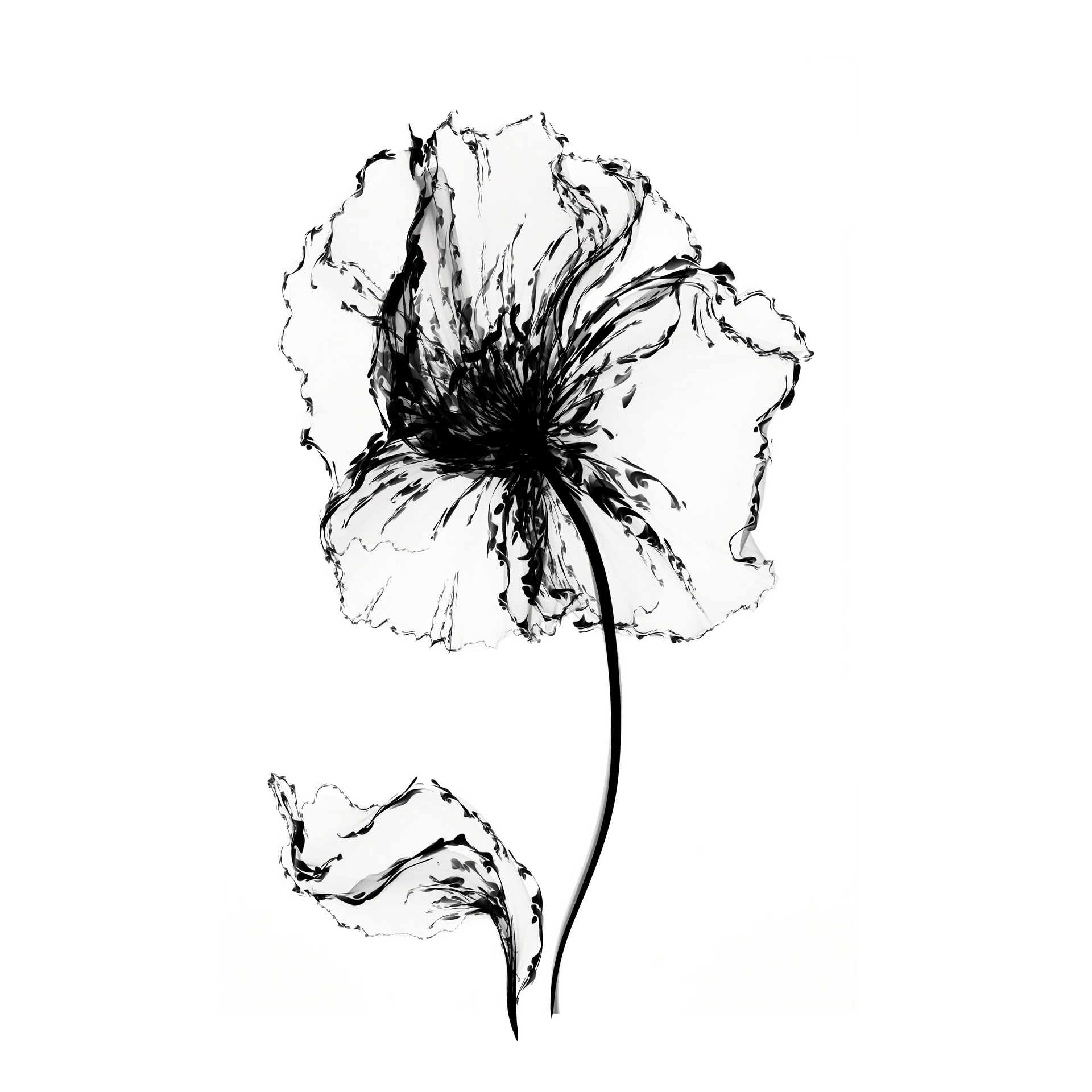
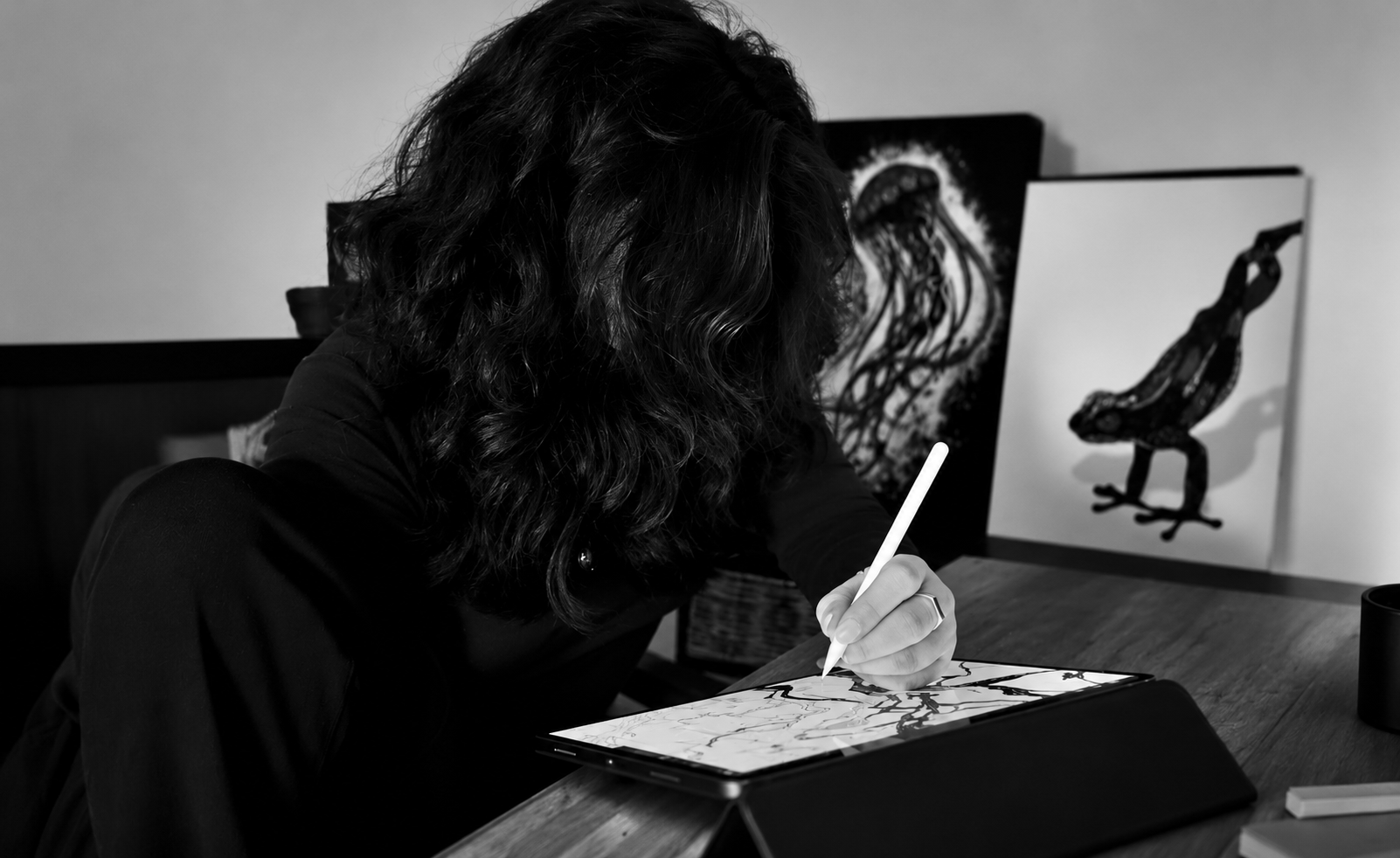
The obscured presence throughout the work and accompanying imagery reflects that balance - visible, but not entirely accessible; present, but intentionally incomplete. Rather than functioning as a mask, anonymity becomes part of the atmosphere surrounding the practice itself. The blurred portraits, fragmented details, and partially hidden gestures are less about concealment and more about preserving a certain emotional distance that feels consistent with the tone of the work.
In a culture increasingly shaped by constant self-exposure, maintaining selective privacy can also become a way of protecting concentration, process, and creative independence. Not everything needs to be documented, explained, or made permanently visible in order to feel meaningful. The intention is not disappearance, but restraint - allowing the work to hold attention on its own without requiring complete personal visibility alongside it.
NOUSHKA